Home / Worn Rollers and Sticking Sliding Windows
Worn Rollers and Sticking Sliding Windows
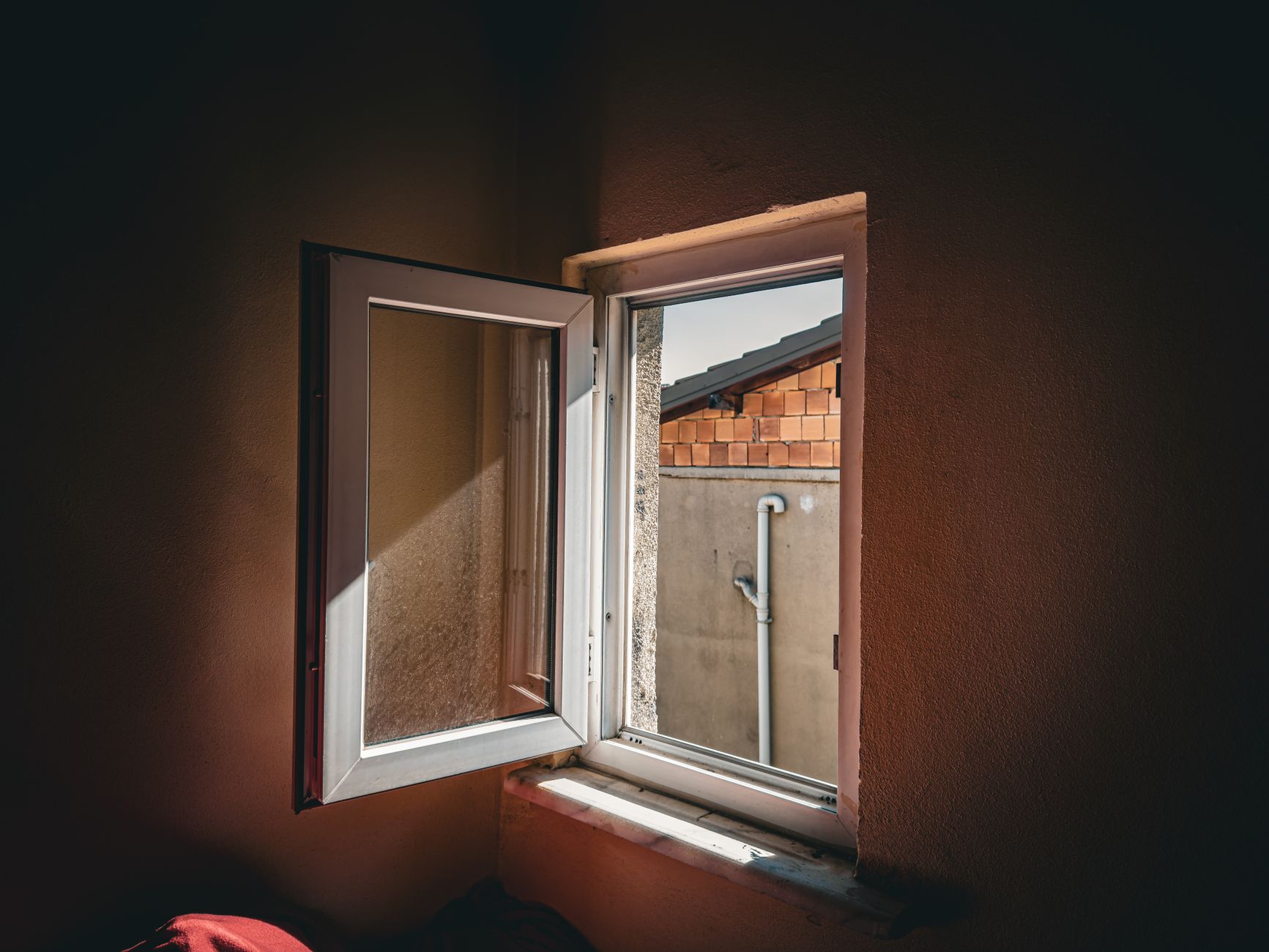
The slider that fights back
A sliding window should move with a light push. When it takes a shoulder, a grunt and a pause halfway, the cause is almost always in the bottom of the sash, where small wheels carry the whole weight of glass and frame along a metal track. Rollers and tracks are simple parts, but they take more abuse than any other component of an old aluminum window, and understanding them helps decide whether a repair is worth doing.
How a slider is built
Each moving sash has two rollers, one near each bottom corner, set into small pockets. The wheels sit in a track cut into the sill of the frame. Some sashes have only one moving panel, and some have two that pass each other in separate channels. Along the sides and top, a strip of pile or a plastic guide keeps the sash from rocking. The lock on the sash edge grabs the fixed side or the frame.
The weight of the glass presses down on the wheels at all times, which is why they flatten and wear before anything else does.
What wears out
- Wheels: plastic or nylon rollers develop flat spots or crack from age and heat. Steel rollers corrode in damp tracks.
- Bearings: the tiny pin or axle inside the wheel can seize, so the wheel drags instead of spinning.
- The track: soft aluminum wears into a groove under decades of rolling, and the rail may bend if someone has forced the sash.
- Pile seals: fuzzy strips that guide the sash compress, drag and collect dirt.
- Frame alignment: if the frame has moved out of square, the sash binds at one end of its travel.
Dust as the main enemy
Grit in the track acts like sandpaper under the wheels. It piles in the corners and in the drain slots, then ends up packed into a dense paste when moisture arrives. A slider that has not been cleaned in years may have a quarter inch of this material in the bottom channel. Simply clearing it can bring back much of the original glide, so cleaning is the right first step before any repair.
A cleaning routine that works
- Open the window fully and vacuum the track with a narrow nozzle.
- Use a stiff brush or an old toothbrush to loosen packed dirt in the corners.
- Wipe the track with a damp cloth and a mild soap.
- Check the drain slots with a thin tool and clear any blockage.
- Dry the track fully.
- Apply a dry silicone based lubricant sparingly along the rail. Oily products attract dust and create a paste.
After this, slide the window a few times and see how it behaves. If it moves smoothly, the problem was dirt. If it still drags or lurches, look at the wheels.
Checking the rollers
Most sashes can be lifted out by raising them up into the top channel and tilting the bottom outward. This varies by model, and some have screws or stops that must be released first. With the sash on a bench, spin each wheel by hand. It should turn freely and sit round. Flat spots, cracks, a squeal or a wheel that will not turn all mean replacement. Note the size and shape of the wheel housing, since replacement rollers must match closely. Taking the old roller to a hardware supplier or photographing it with a ruler beside it makes it easier to find the right part.
When a repair is reasonable
If the wheels are the only problem, new rollers cost little and often restore smooth operation for years. This is a sensible repair when the frame is square, the glass is sound, the lock works and the track is not deeply grooved. It makes less sense when the window has other issues, since the same afternoon spent on rollers would address only one of several failures.
When rollers will not fix it
New wheels in a worn track often ride rough, because the groove cut by decades of use catches the new wheel in the same pattern. A bent track cannot be straightened without damaging the soft metal. A frame that has racked will bind regardless of what wheels sit under the sash. In these cases the window itself is the problem, and a repair gives temporary relief at best.
Safety around heavy sashes
Glass in an aluminum sash is heavier than it looks, and the sash can slip out of its channel during removal. Wear gloves, lift with a partner for larger sashes and set the sash on a padded surface. If the glass cracks or the bead strip is loose, do not handle it without protection. A professional can remove and refit a sash in minutes with the right technique.
What the sticking says about the rest of the window
A slider that works hard is usually a window that has other problems. Wheels that wear out quickly suggest dust is getting in through gaps. A sash that drops on one side suggests loosening in the corners. A stiff lock suggests the frame is out of alignment. Treat the roller as a clue and look at the whole window, since the answer to whether it is worth keeping depends on the total condition, not just the part that complains.
Newer designs avoid the problem
Modern sliders use sealed bearings, hard capped rails of stainless steel or a similar material, and sash weights spread over more wheels. Some use a raised track profile that sheds dust. The result is a window that glides with a finger and keeps doing so for many years, as long as the track is occasionally vacuumed. Casement and hung styles avoid tracks entirely, which makes them a sensible choice for any opening where sticking has been a persistent frustration.
Reading the sound
The noise a slider makes carries information. A grinding sound usually means grit between wheel and rail. A squeal points to a dry axle or a plastic wheel rubbing the pocket. A thump at one end of travel means the sash has dropped and the wheel or frame has shifted. A clicking each time the sash moves can mean a cracked wheel. Listening while moving the sash slowly, from one end to the other, helps narrow the cause before taking anything apart.
Lubricants and what to avoid
A dry silicone spray or a graphite style lubricant leaves a slick surface that does not hold dirt. Oil based sprays and grease feel effective for a day or two, then turn into a dark sludge as dust sticks to them. Applying a small amount to the rail and a drop to each wheel axle is enough. Spraying freely into the track is a common mistake and makes cleaning harder the next time.
Handling the sash gently
Forcing a stuck window is the quickest way to turn a small problem into a bent track or cracked glass. If the sash does not move after cleaning, stop and look for the cause: a dropped wheel, a loose corner, a piece of debris wedged in the upper channel. A few minutes of inspection saves a lot of repair.