Home / Window Replacement San Bernardino: Old Aluminum Windows in Del Rosa Homes
Window Replacement San Bernardino: Old Aluminum Windows in Del Rosa Homes
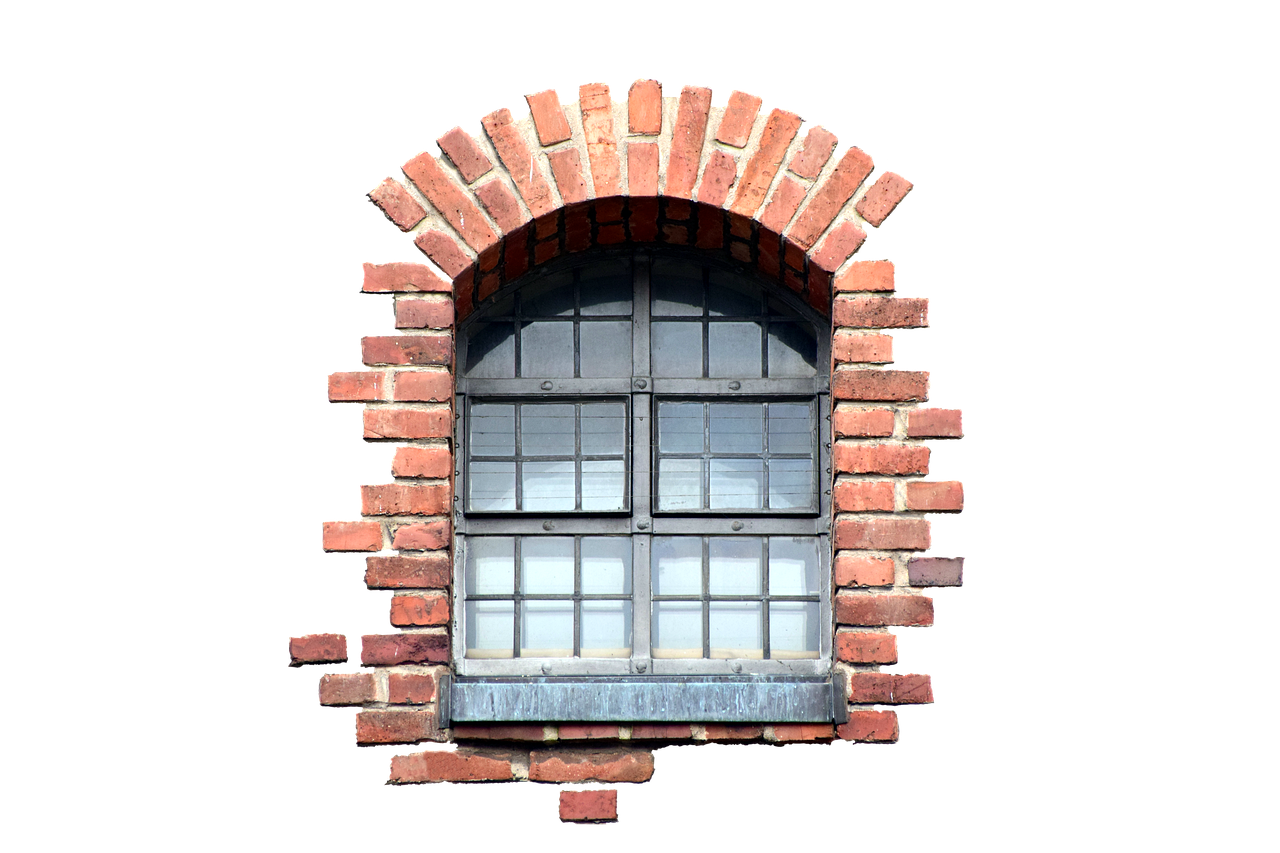
The windows that came with the house are still doing a job, just not a good one
Drive through Del Rosa on a summer afternoon and you can read the age of the neighborhood from the windows alone. Thin aluminum frames, a single sheet of glass, a sliding sash that has been pushed along the same track for sixty years. Those windows were a sensible choice when the houses went up, and plenty of them still open and close. The question that matters for window replacement in San Bernardino is not whether the old units work at all. It is what they cost the household every day in comfort, noise, dust and effort, and when the balance tips toward replacing them.
This article walks through what actually wears out in a single pane aluminum window, why the local climate is hard on that design, what a modern replacement is made of, and how a typical project unfolds in an older stucco or mid century home. It is written for a homeowner who is still deciding, not one who has already signed anything.
What an original aluminum window is really made of
A typical window from the mid twentieth century has four parts that matter: a bare aluminum frame set into the wall opening, one or two aluminum sashes that hold the glass, a single layer of annealed glass bedded in a rubber or vinyl strip, and a set of rollers or hinges that let the sash move. There is no air space between layers of glass, no insulating gas, and no plastic strip separating the inside of the metal from the outside of the metal.
That last detail is the one that surprises people. Aluminum moves heat very quickly. On a hot July day in the Inland Empire the outer face of the frame soaks up sun and the inner face carries that heat straight into the room. In January the same frame turns cold to the touch, and warm indoor air that reaches it drops its moisture as condensation. The frame is not just a holder for the glass. It is a heat path running through the wall.
How the local climate wears these windows down
San Bernardino sits at the foot of the San Bernardino Mountains, and the weather that comes with that setting is a steady test for any building envelope. Summers are long and very hot, with the sun striking west and south walls for hours. Winter nights can turn sharply cold when air drains down from the mountains. In between, the Santa Ana winds arrive from the desert side and push fine dust against every gap in a house.
Each of those conditions attacks a different weak point of an old aluminum window:
- Heat cycling. Metal expands in the afternoon and contracts overnight. Over decades the corner joints loosen, the glazing strip hardens and shrinks, and small gaps open where the sash meets the frame.
- Dust and grit. Wind-driven dust works into the bottom track of a slider. Grit grinds the rollers flat, and the sash starts to drag, stick or jump off its track.
- Sun exposure. Ultraviolet light dries out the soft seals around the glass and the pile strips along the sash edge. They crack, flatten, or fall out entirely.
- Winter condensation. Cold metal pulls moisture from indoor air. Water collects on the frame, runs into the sill, and over time stains or softens the wall finish below.
Neighborhood by neighborhood: what the houses tell you
The older streets around Del Rosa, close to the foothills, have many modest mid century houses with large picture windows on the street side and sliders on the sides and rear. Verdemont, farther to the northwest toward the Cajon Pass, has a mix of later stucco ranch homes, some with the original aluminum windows and some with a first round of replacements already done. Houses close to Interstate 215 or the rail lines add another factor, because a thin sheet of glass does very little to block low frequency noise.
From the Arrowhead Springs side of town you can see the Arrowhead landmark on the hillside above, and homes in that area often face the full afternoon sun. A south or west facing room with a large single pane window can be several degrees hotter than the rest of the house by late afternoon, which is the classic reason a homeowner starts looking at replacements in the first place.
The signs that matter most
Not every old window needs to go. A sound frame with a smooth slider and tight glass may keep going for years. The signs that push a house toward replacement tend to be these:
- The sash is hard to move, or locks no longer line up with the strike plate, so the window does not truly latch.
- Water droplets or ice crystals collect on the frame and glass in winter, and the sill below is stained or soft.
- A hand held near the edge of the closed sash feels moving air, and curtains stir on a still day.
- Dust gathers on the sill within a day or two of cleaning, even with the window shut.
- The room beside the window is clearly hotter in summer or colder in winter than the room next to it.
- The frame has bent corners, visible gaps in the joints, or white powdery corrosion where moisture has sat.
Two or three of these together is a strong indication that patching will not hold. One alone, such as a bad roller, may be a repair job.
What replaces the old window
A modern replacement is a layered assembly rather than a single pane in a metal frame. The glass unit is two sheets separated by a sealed air space, held apart by a spacer bar around the edge. Many units add a thin coating on one pane to reduce the heat that passes through, and some use an inert gas in the gap instead of plain air. The frame is commonly vinyl, fiberglass, wood or a thermally broken aluminum design. Each one behaves differently in heat and cold, which is why the choice of frame matters as much as the glass.
For the Inland Empire, vinyl is the most common choice because it does not conduct heat the way bare metal does, needs no repainting, and holds up well to dry sun when it is made with the right stabilizers. Fiberglass resists expansion even better and suits darker colors. Thermally broken aluminum keeps the slim sightlines of the original look, which some owners of mid century houses want to preserve. None of these is the only correct answer; the best fit depends on the house, the budget and how much the original appearance matters.
Window styles that suit older homes
Original openings often dictate the style. A wide horizontal opening was probably built for a slider, and a new slider keeps the proportions and the way the window works. A narrow vertical opening can take a single hung or a casement. Casement windows crank outward on a hinge and seal tightly when closed, which helps in a dusty setting. Picture windows with no moving parts are the tightest of all, and many homeowners keep fixed glass in large openings and add operable windows beside them for airflow.
It is worth thinking about egress in bedrooms. A bedroom window has to open wide enough to let a person climb out in an emergency, and the rules that govern this are set locally. Any reputable installer will check that a replacement meets the general requirements for that room, rather than shrinking the opening to fit a standard size.
Stucco walls change how the job is done
Many San Bernardino homes are clad in stucco, a hard cement finish applied over wire lath. Windows in a stucco wall are usually fastened through a flange that sits under the finish, or they are set in a frame bonded to the wall. That affects how a replacement is installed.
In a retrofit approach, the new window goes inside the old frame, or in the opening left after the sash is removed, and the stucco is left alone. This is faster and keeps the exterior intact. A full frame replacement removes the entire old window including the frame, which allows the opening to be checked, flashed and sealed properly, but it means cutting back the stucco around the opening and patching it afterward. Houses with damaged frames, rot behind the sill, or water stains in the wall below the window are better candidates for the second method, because a new window inside a rotting frame only hides the problem.
Noise, traffic and trains
Single pane glass is a poor sound barrier. Homes within earshot of Interstate 215, the major arterials or the rail corridors hear far more than they would behind a double pane unit with a tight seal. Two things improve the situation: more mass in the glass, and an airtight perimeter. A replacement window that closes firmly against a compression seal blocks a good deal of the hiss and rumble that slips through the gaps around a worn aluminum slider. Some owners also choose glass of different thicknesses on the two sides of the unit, which helps break up a wider range of sound.
Dust, wind and the Santa Ana season
When the Santa Ana winds blow, dust and pollen are driven against the house from the northeast. An old slider has a long, uneven seam where the sash meets the frame, and the pile strip meant to close it is usually worn through. A new window has continuous weatherstripping on all sides and a tighter lock, so the amount of fine dust that finds its way indoors drops noticeably. Homeowners in dust prone areas often say that this is the improvement they notice first, ahead of any change in the electric bill.
Heat gain and winter chill
The comfort gain comes from three sources working together. Two layers of glass slow the movement of heat across the unit. A coating on one pane reflects some of the sun's heat away. And a frame that does not conduct like bare metal keeps the inside of the window from acting as a radiator. The result is not that a room becomes unaffected by weather, but that the swing between the window area and the middle of the room shrinks. People often describe it as being able to sit near the glass in July without feeling a wave of heat on the arm.
Orientation matters, too. West facing rooms take the most punishing sun in this region, and they gain the most from the right glass choice. North facing windows see little direct sun, and the priority there is simply a good seal.
What the project looks like from the inside
A typical replacement begins with a measurement visit. The installer measures each opening at several points, notes the condition of the frame and the wall around it, and discusses the style, color, and glass options. Orders are then made to size, and manufacturing takes some weeks. On installation day the crew works room by room. Furniture and curtains near the windows are moved, the old sash is lifted out, the frame is either removed or prepared, the new unit is set level and square, and the gaps are insulated and sealed. Most homes finish in a day or two, depending on how many windows are involved and whether the stucco must be patched.
Before work begins, it helps to ask whether a permit is needed and who handles it. Requirements differ by jurisdiction and by the type of change, and a contractor who works in the area regularly will know what applies in the city and the unincorporated parts of San Bernardino County.
Questions worth asking before you decide
- Is the existing frame sound, or is there hidden damage behind the sill?
- Will the new unit be installed inside the old frame or as a full frame replacement, and why?
- What is the glass package, and is it suited to a hot, sunny exposure?
- How are bedroom windows being handled for emergency exit?
- What will be done to the stucco, the interior trim and the paint afterward?
- What does the written warranty cover, and for how long, on both the frame and the glass?
A practical way to start
Walk through the house at two different times of day, mid afternoon and late evening, and put a hand against each window frame and the wall beside it. The difference in temperature tells you which rooms are losing the most. Then note which windows stick, leak air or collect moisture. A short list of the worst offenders is a good basis for a conversation with an installer, and it can help decide whether to replace every window at once or begin with the rooms where the problems are greatest.
For many older homes in Del Rosa, Verdemont and the surrounding neighborhoods, replacing single pane aluminum windows is less about a fashionable upgrade than about removing a set of worn parts that no longer fit the climate. When the new units are chosen to match the house and installed with care, the difference shows up in a quieter, cleaner and more evenly comfortable home for many years afterward.